$149.99 / month – $179.99
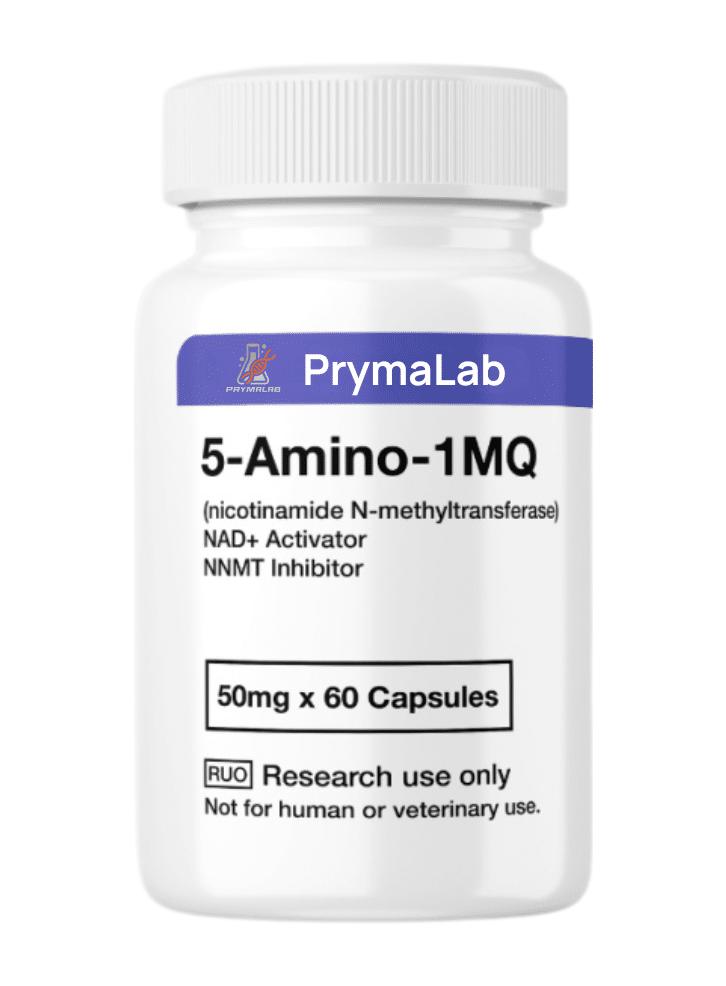
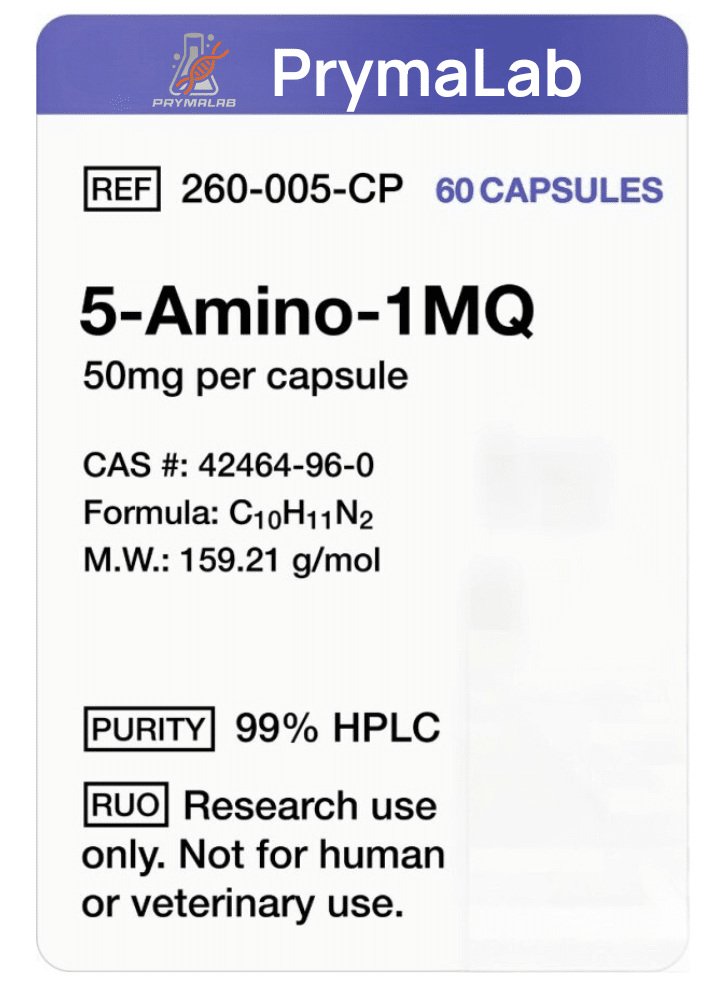
5-Amino-1MQ 50mg capsules inhibit NNMT to enhance cellular NAD+ levels naturally. Supports metabolic health, fat metabolism, and energy expenditure through targeted enzyme inhibition. 60 capsules provide extended research protocols.
<h1>What is 5-Amino-1MQ?</h1>
5-Amino-1MQ represents an innovative approach to body control through targeted enzyme blocking. This compound mainly blocks nicotinamide N-methyltransferase (NNMT), an enzyme that plays a crucial role in cellular body function. By blocking NNMT activity, 5-amino-1mq enhances cellular NAD+ levels and supports healthy body function. The compound works by preventing the methylation of nicotinamide, which allows more nicotinamide to enter the NAD+ salvage pathway instead of being converted to 1-methylnicotinamide.
NNMT naturally increases in adipose tissue during obesity and body dysfunction. This elevated NNMT activity adds to body disturbances by consuming cellular methyl groups and limiting NAD+ supply. 5-Amino-1MQ addresses this basic body issue by blocking NNMT, thereby restoring proper cellular energy body function and promoting healthy body makeup. Research shows that this targeted approach produces major body gains without affecting appetite or food intake.
The 5-amino-1mq benefits extend beyond simple body boost. Studies show that NNMT blocking increases intracellular levels of both NAD+ and S-adenosylmethionine (SAM), two key cellular energy regulators. NAD+ serves as an essential cofactor for many body enzymes, while SAM functions as a universal methyl donor for cellular processes. By elevating these molecules, 5-amino-1MQ supports overall cellular health and function across multiple systems.
<h2>Understanding the NNMT-NAD+ Connection</h2>
The relationship between NNMT and NAD+ body function represents a key pathway in cellular energy control. NNMT naturally methylates nicotinamide, converting it to 1-methylnicotinamide (1-MNA) and consuming SAM in the process. This methylation pathway competes with the NAD+ salvage pathway, which converts nicotinamide to NAD+. When NNMT activity increases, more nicotinamide gets diverted away from NAD+ production, resulting in lower cellular NAD+ levels.
NAD+ serves as one of the most important molecules in cellular body function. This coenzyme participates in hundreds of biochemical reactions, including energy production, DNA repair, and cellular signaling. Low NAD+ levels correlate with body dysfunction, aging, and many health conditions. Restoring NAD+ levels through NNMT blocking with 5-amino-1MQ addresses this basic body deficiency.
Research consistently shows that NNMT expression increases in adipose tissue during obesity. This elevated NNMT activity adds to body problems by depleting cellular NAD+ and SAM reserves. The depletion of these molecules impairs cellular energy body function and promotes further body dysfunction. 5-Amino-1MQ breaks this cycle by blocking NNMT, allowing NAD+ and SAM levels to recover and support healthy body function.
The 5-amino-1mq mechanism also affects adipocyte differentiation. Studies show that NNMT blocking suppresses lipogenesis and adipocyte formation. This effect occurs through epigenetic changes mediated by increased SAM levels, which influence gene expression related to fat cell growth. By reducing new fat cell formation while enhancing body function, 5-amino-1MQ supports healthy body makeup through multiple paired pathways.
<h2>Scientific Research on 5-Amino-1MQ</h2>
Extensive research has validated the effect of 5-amino-1MQ as a potent NNMT inhibitor. A landmark 2017 study published in Biochemical Pharmacology showed that 5-amino-1MQ treatment in diet-induced obese mice produced major weight loss and reduced adipose tissue mass. Treated animals lost about 5% of body weight over an 11-day period while control animals gained weight. Importantly, this weight loss occurred without changes in food intake, showing the effects stemmed from enhanced body function rather than reduced appetite.
The research revealed that 5-amino-1MQ treatment decreased epididymal white adipose tissue mass by about 35%. Histological test showed major reductions in adipocyte size, showing actual <a href=”https://prymalab.net/aod-9604-peptide/” data-wpil-monitor-id=”4850″>fat loss</a> rather than fluid loss. Plasma total cholesterol levels decreased by about 30% in treated animals, bringing levels into the normal range. These full body gains show the compound’s broad effects on body health.
Cellular studies confirm the mechanism of action. Treatment of differentiated 3T3-L1 adipocytes with 5-amino-1MQ greatly reduced intracellular 1-MNA levels while increasing NAD+ and SAM levels. This occurred through direct NNMT blocking without affecting related methyltransferases. The compound showed excellent selectivity for NNMT, with minimal effects on DNMT1, PRMT3, or COMT enzymes. It also did not block NAMPT or SIRT1, two other enzymes in the NAD+ pathway.
Importantly, <a href=”https://prymalab.net/ghk-cu-peptide-guide/” data-wpil-monitor-id=”6024″>research on 5-amino-1mq side effects</a> shows a favorable safety profile. Studies using levels up to 100μM showed no major effects on cell viability. In animal studies, effective doses produced no observable adverse effects or behavioral changes. The 5-amino-1mq injection dosage used in research was well tolerated, and oral use offers similar effect with possibly enhanced convenience.
More research has explored NNMT blocking in human body conditions. Studies have found correlations between NNMT expression in adipose tissue, circulating 1-MNA levels, and body parameters like insulin resistance and body mass index. These findings suggest that NNMT activity serves as a clinically relevant biomarker for body health. 5-Amino-1MQ’s power to tune this pathway makes it valuable for research into body disorders and obesity.
<h2>Benefits of 5-Amino-1MQ for Research Applications</h2>
5-Amino-1MQ offers many benefits for <a href=”https://prymalab.net/product/buy-semaglutide-10mg-peptide/” data-wpil-monitor-id=”2182″>body research uses</a>. The main benefit involves enhanced NAD+ supply, which supports many cellular processes. Research protocols examining NAD+-dependent pathways, sirtuin start, and cellular energy body function find 5-amino-1MQ very valuable. The compound’s targeted mechanism provides clean intervention in NAD+ body function without the broad effects of NAD+ precursors.
Body health research benefits greatly from 5-amino-1MQ. The compound improves insulin response through multiple mechanisms. Enhanced NAD+ levels start sirtuins, including SIRT1, which improves glucose body function. Reduced NNMT activity decreases SAM consumption, allowing proper epigenetic control of body genes. These effects combine to improve glucose tolerance and insulin signaling, making 5-amino-1MQ valuable for diabetes and body syndrome research.
<a href=”https://prymalab.net/product/buy-semaglutide-30mg-peptide/” data-wpil-monitor-id=”2196″>Weight care research</a> uses 5-amino-1MQ’s effects on adipose tissue. The compound reduces adipocyte size and decreases white adipose tissue mass. It suppresses lipogenesis and adipocyte differentiation, preventing new fat cell formation. Combined with enhanced energy output from increased NAD+ levels, these effects support healthy body makeup. Research protocols examining fat body function, thermogenesis, and weight care find 5-amino-1MQ very useful.
Aging research has embraced 5-amino-1MQ due to its effects on NAD+ body function. NAD+ levels naturally decline with age, adding to many age-related conditions. By blocking NNMT and enhancing NAD+ supply, 5-amino-1MQ addresses this basic aspect of aging. Research examining sirtuin start, energy-cell function, and cellular repair mechanisms all benefit from enhanced NAD+ levels provided by 5-amino-1MQ.
Heart research explores 5-amino-1MQ’s effects on lipid body function. The compound greatly reduces total cholesterol levels, very in diet-induced body dysfunction. Research protocols examining atherosclerosis, lipid body function, and heart risk factors find 5-amino-1MQ valuable. The gains in cholesterol profiles occur alongside other body benefits, providing full heart support.
Swelling research uses 5-amino-1MQ’s effects on cellular body function. NAD+ levels influence swelling signaling pathways through sirtuins and other NAD+-dependent enzymes. Enhanced NAD+ supply may tune swelling responses and reduce chronic swelling. Research examining body swelling, cytokine production, and immune function finds 5-amino-1MQ useful for grasp the body basis of swelling.
Researchers also study 5-amino-1MQ in mix with other compounds. It pairs exceptionally well with direct NAD+ precursors like <a href=”https://prymalab.net/product/product-nad-1000mg/”>NAD+ 1000mg</a>. The mix provides combined effects, with 5-amino-1MQ enhancing NAD+ synthesis while precursors supply more substrate. Some researchers combine it with <a href=”https://prymalab.net/product/mots-c-40mg-peptide/”>MOTS-C</a> for full body boost. Design mix protocols carefully to isolate personal and combined effects.
<h2>5-Amino-1MQ Compared to Other Metabolic Enhancers</h2>
5-Amino-1MQ differs greatly from traditional <a href=”https://prymalab.net/peptide-calculator-weight-loss/” data-wpil-monitor-id=”5764″>weight loss</a> compounds. Unlike stimulants that increase energy output through central nervous system start, 5-amino-1MQ works through cellular body pathways. It doesn’t affect appetite or heart rate, making it better tolerated than many conventional approaches. Research shows that animals treated with 5-amino-1MQ lose weight without changes in food intake, confirming its unique mechanism.
Compared to direct NAD+ precursors like nicotinamide riboside (NR) or nicotinamide mononucleotide (NMN), 5-amino-1MQ offers a different approach. Instead of supplying more substrate for NAD+ synthesis, it prevents NAD+ depletion by blocking NNMT. This approach may be more efficient, very when NNMT activity is elevated. Research suggests that combining 5-amino-1MQ with NAD+ precursors produces combined effects, possibly allowing lower doses of both compounds.
GLP-1 agonists like <a href=”https://prymalab.net/semaglutide-peptide-benefits/” data-wpil-monitor-id=”5538″>semaglutide work mainly through appetite suppression and delayed gastric emptying</a>. 5-Amino-1MQ enhances body function without affecting appetite. These different mechanisms mean the compounds could be paired. Some researchers explore mixes that address both intake and output. The 5-amino-1mq side effects profile appears more favorable than many GLP-1 agonists, which often cause gut issues.
Metformin works through AMPK start and modest NNMT blocking. 5-Amino-1MQ provides more potent and selective NNMT blocking. While metformin affects multiple pathways, 5-amino-1MQ mainly targets NNMT-NAD+ body function. This specificity may reduce side effects while keeping body benefits. Research comparing the two compounds continues to evolve.
SIRT1 activators like resveratrol indirectly increase NAD+ requirements. 5-Amino-1MQ ensures enough NAD+ supply for sirtuin start. The compounds target different points in the same pathway. SIRT1 activators create demand for NAD+, while 5-amino-1MQ ensures supply. This paired relationship suggests possible synergy in mix protocols.
Thyroid hormones increase basal body rate but can cause major side effects including cardiac boost. 5-Amino-1MQ enhances energy output through cellular NAD+ boost without heart boost. This makes it very valuable for research subjects who cannot tolerate thyroid hormone approaches. The body gains occur through basic cellular mechanisms rather than hormonal boost.
<h2>Dosage Protocols and Administration</h2>
Grasp proper 5 amino 1mq dosage is essential for best research results. The 50mg capsule strength provides flexibility for many research protocols. Standard protocols often use 50-200mg daily, divided into two or three doses. The specific dose depends on research objectives, subject characteristics, and desired outcomes.
For body boost research, a common protocol uses 50mg twice daily for a total daily dose of 100mg. This dosing schedule keeps consistent NNMT blocking throughout the day while allowing trough periods for healing. Researchers often give doses with meals to enhance absorption and reduce possible gut effects. The <a href=”https://prymalab.net/peptide-calculator/”>peptide calculator</a> helps find appropriate dosing for different research protocols.
<a href=”https://prymalab.net/product/buy-tirzepatide-50mg-peptide/” data-wpil-monitor-id=”3154″>Weight care research</a> often uses higher doses, often 100mg twice daily (200mg total). These protocols aim for more complete NNMT blocking to maximize body boost. Higher doses may produce greater effects on adipose tissue and energy output. Researchers should track subjects carefully at these doses and adjust based on personal responses and tolerance.
While 5 amino 1mq injection dosage exists in research settings, oral capsule use offers comparable uptake with enhanced convenience. Oral use avoids the need for injections and linked supplies. Studies show that oral 5-amino-1MQ effectively reaches target tissues and produces desired body effects. The capsule format ensures consistent dosing and removes variability in injection technique.
Protocol duration varies based on research objectives. Short-term studies of 2-4 weeks can capture acute body effects. Longer protocols of 8-12 weeks allow finding of sustained adaptations and body makeup changes. Some research incorporates cycling, such as 6 weeks on followed by 2 weeks off. The 60-capsule bottle provides enough supply for many protocol designs.
Timing of use can influence outcomes. Morning doses may enhance daytime energy output and body function. Evening doses could support overnight body processes and NAD+ restoration. Some protocols use divided doses morning and evening. Others prefer single daily doses, often in the morning. The best timing depends on specific research questions and measured outcomes.
Mix protocols need careful dose consideration. When combining with <a href=”https://prymalab.net/product/product-nad-1000mg/”>NAD+ 1000mg</a>, lower doses of each compound may be effective. The combined interaction between NNMT blocking and NAD+ precursor use allows possible dose reduction. Similarly, mixes with <a href=”https://prymalab.net/product/mots-c-40mg-peptide/”>MOTS-C</a> or other body enhancers may need dose adjustments to optimize effects while minimizing possible interactions.
<h2>Safety Profile and Side Effects</h2>
Research on 5-amino-1mq side effects shows a favorable safety profile. Cellular studies show no major effects on viability at levels up to 100μM. At very high levels (300μM and above), modest cytotoxicity appears, but these levels far exceed effective treatment doses. The wide treatment window allows large dosing flexibility while keeping safety margins.
Animal studies reveal minimal adverse effects. In the landmark 2017 study, diet-induced obese mice treated with effective doses showed no observable adverse effects or behavioral changes. Food intake remained unchanged, showing the compound doesn’t cause appetite suppression or gut disturbances. Weight loss occurred through enhanced body function rather than reduced intake. The absence of central nervous system effects distinguishes 5-amino-1MQ from stimulant-based approaches.
Human safety data remains limited but preliminary reports suggest good tolerance. Some research subjects report mild transient effects including occasional headaches, mild gut discomfort, or temporary fatigue. These effects often resolve within days as the body adapts. Starting with lower doses and gradually increasing can minimize these findings.
The compound’s selectivity adds to its safety profile. 5-Amino-1MQ mainly blocks NNMT without affecting related methyltransferases like DNMT1, PRMT3, or COMT. It also doesn’t interfere with NAMPT or SIRT1, two other enzymes in the NAD+ pathway. This specificity reduces off-target effects and enhances safety. The clean mechanism makes 5-amino-1MQ very valuable for research needing precise body intervention.
Contraindications include pregnancy and breastfeeding. No safety data exists for 5-amino-1MQ use during pregnancy or lactation. The effects on fetal growth or nursing infants remain unknown. Exclude pregnant or nursing people from research protocols involving this compound. Similarly, people with serious medical conditions should avoid participation without medical supervision.
Drug interactions need consideration. 5-Amino-1MQ’s effects on NAD+ body function may interact with compounds that influence NAD+ pathways. Drugs that affect methylation processes could possibly interact with NNMT blocking. Document all concomitant drugs and supplements in research protocols. Track for possible interactions, especially when combining with other body enhancers.
Quality factors affect safety and effect. Only pharmaceutical-grade or research-grade 5-amino-1MQ from reputable sources should be used in research. <a href=”https://prymalab.net/product/s-23-sarm/” data-wpil-monitor-id=”2991″>PrymaLab provides high-quality 5-amino-1MQ 50mg capsules</a> with proper testing and check. Research-grade compounds from unknown sources may contain impurities or incorrect levels. Quality control ensures consistent results and minimizes safety risks.
<h2>Complementary Research Compounds</h2>
5-Amino-1MQ works exceptionally well in mix with other research compounds. Grasp these combined relationships enhances research protocol design and outcomes. The 50mg capsule format helps mix approaches by allowing flexible dosing schedules and use timing.
<a href=”https://prymalab.net/product/product-nad-1000mg/”>NAD+ 1000mg</a> represents the most logical mix partner. While 5-amino-1MQ enhances NAD+ synthesis by blocking NNMT, direct NAD+ use provides more substrate. The mix addresses both supply and conservation of NAD+. Research protocols using both compounds show enhanced effects on body markers, energy output, and sirtuin start. Combined effects may allow lower doses of each compound while keeping or improving outcomes.
<a href=”https://prymalab.net/product/mots-c-40mg-peptide/”>MOTS-C</a> complements 5-amino-1MQ through different body pathways. MOTS-C enhances energy-cell function and starts AMPK, while 5-amino-1MQ boosts NAD+ levels. Both compounds improve body function but through distinct mechanisms. Mix protocols addressing multiple aspects of body function produce full gains. The different use routes (oral vs. injection) need careful scheduling but enhance research versatility.
<a href=”https://prymalab.net/product/ghk-cu-100mg-copper-peptide/”>GHK-Cu</a> adds tissue repair and anti-swelling effects to body boost. While 5-amino-1MQ addresses cellular body function, GHK-Cu supports tissue health and reduces swelling. This mix proves valuable for research examining body health with a focus on tissue repair and healing. The compounds work through completely different mechanisms, making mix straightforward without overlapping toxicities.
<a href=”https://prymalab.net/product/bpc-157-10mg-peptide/”>BPC-157</a> adds gut health and tissue protection to body research. 5-Amino-1MQ enhances cellular body function while BPC-157 protects gut tissue and promotes healing. This mix allows research into body boost with gut protection. Some research subjects experience mild gut effects from body compounds, and BPC-157 may mitigate these issues while providing independent benefits.
When designing mix protocols, consider use timing carefully. 5-Amino-1MQ capsules can be taken orally with meals. Injection-based compounds like MOTS-C, GHK-Cu, or BPC-157 may be gave at different times. Some protocols use oral compounds in the morning and injectables in the evening. Others separate use by several hours to maximize absorption and minimize possible interactions.
Tracking should include parameters relevant to all compounds in the mix. For example, combining 5-amino-1MQ with NAD+ needs tracking of both NAD+ levels and NNMT activity. Combining with MOTS-C necessitates assessment of both energy-cell function and body markers. Full tracking captures the full range of effects from mix protocols.
<h2>Optimizing Research Protocols</h2>
Maximizing 5-amino-1MQ research outcomes needs careful protocol design and use. Consider multiple factors including dose selection, timing, duration, and tracking parameters. Well-designed protocols produce clear, interpretable results that advance grasp of NNMT blocking and body boost.
Baseline measurements set up starting points for comparison. Before beginning 5-amino-1MQ protocols, collect full baseline data. This includes body makeup, body markers (glucose, insulin, lipids), NAD+ levels if possible, and functional measures like exercise capacity. Baseline data allows precise quantification of changes and finding of responders versus non-responders.
Dose titration protocols help identify best dosing for specific research objectives. Starting with lower doses (50mg daily) and gradually increasing based on response allows individualization. Track body markers, subjective responses, and any adverse effects throughout titration. This approach identifies the minimal effective dose for each subject while minimizing possible side effects.
Consistent use timing improves research reproducibility. Choose specific times for capsule use and keep this schedule throughout the protocol. Use reminder systems or scheduling apps to ensure adherence. Consistent dosing keeps stable NNMT blocking and NAD+ levels, reducing variability in measurements. Document any missed doses or protocol deviations.
Tracking schedules should align with expected changes. Some parameters change quickly while others need longer periods. Glucose and insulin response may improve within weeks. Body makeup changes often need longer to become major. NAD+ levels may show rapid first increases followed by stabilization. Design tracking schedules to capture both acute and chronic effects based on research objectives.
Records becomes crucial for research integrity. Record all use times and doses. Document tracking measurements with dates and times. Note any findings or adverse events. Track adherence to protocol requirements. Full records allows proper data test and interpretation. It also lets finding of patterns or correlations in responses.
Subject selection affects research outcomes. Consider baseline body status when selecting research subjects. People with elevated NNMT activity or low NAD+ levels may show greater responses. Obese or metabolically compromised subjects often show more pronounced effects than metabolically healthy people. Stratify subjects by relevant characteristics to examine effect modifiers.
Environmental factors influence 5-amino-1MQ effects. Diet, exercise, sleep, and stress all affect body function and NAD+ levels. Control or track these factors throughout research protocols. Some studies use standardized diets to reduce variability. Others examine 5-amino-1MQ effects under different dietary conditions. Document environmental factors to account for their influence on outcomes.
<h2>Understanding NAD+ and Metabolic Health</h2>
NAD+ serves as a basic molecule in cellular body function, making it crucial to understand its role in 5-amino-1MQ research. This coenzyme participates in hundreds of biochemical reactions, including energy production, DNA repair, and cellular signaling. NAD+ levels naturally decline with age and in body disorders, adding to many health problems.
The NAD+ salvage pathway represents the main route for NAD+ synthesis in most cells. This pathway converts nicotinamide back to NAD+ through a series of enzymatic reactions. NNMT competes with this pathway by methylating nicotinamide, converting it to 1-methylnicotinamide instead of allowing it to enter NAD+ synthesis. 5-Amino-1MQ blocks this competing pathway, directing more nicotinamide toward NAD+ production.
Sirtuins represent one of the most important NAD+-dependent enzyme families. These enzymes deacetylate proteins, influencing gene expression, body function, and aging. SIRT1, in specific, plays crucial roles in glucose body function, fat burning, and cellular stress responses. Sirtuin start needs enough NAD+ levels. By enhancing NAD+ supply, 5-amino-1MQ supports sirtuin function and its downstream benefits.
Energy-cell function depends heavily on NAD+ levels. Mitochondria use NAD+ as a key cofactor for oxidant phosphorylation, the process that produces cellular energy. Low NAD+ impairs energy-cell function, leading to reduced energy production and increased oxidant stress. 5-Amino-1MQ’s boost of NAD+ levels supports healthy energy-cell function and cellular energy production.
Epigenetic control relies on SAM, another molecule enhanced by 5-amino-1MQ. SAM serves as a universal methyl donor for DNA and protein methylation. These epigenetic changes regulate gene expression without changing DNA sequence. NNMT consumes SAM, possibly depleting this important molecule. 5-Amino-1MQ preserves SAM levels, supporting proper epigenetic control of body genes.
The interconnected nature of NAD+ body function means that 5-amino-1MQ effects extend beyond simple NAD+ boost. By preserving NAD+ and SAM, the compound supports many cellular processes simultaneously. This full approach explains the broad effects on body health, from improved insulin response to enhanced fat body function. Grasp these interconnections helps interpret research findings and design full protocols.
<h2>Frequently Asked Questions About 5-Amino-1MQ</h2>
<strong>Q: What makes 5-Amino-1MQ different from other weight care compounds?</strong>
A: 5-Amino-1MQ works through a unique mechanism involving NNMT blocking rather than appetite suppression or central nervous system boost. Unlike stimulants that increase heart rate or GLP-1 agonists that reduce appetite, 5-amino-1MQ enhances cellular body function by boosting NAD+ levels. This basic body approach produces fat loss without affecting food intake or causing heart boost. Research shows that animals lose weight on 5-amino-1MQ while eating the same amount as controls. The 5-amino-1mq benefits include full body gains beyond simple weight loss, including enhanced insulin response, improved lipid profiles, and increased energy output. The targeted mechanism also adds to the favorable 5-amino-1mq side effects profile compared to other approaches.
<strong>Q: How quickly do research subjects show gains with 5-amino-1MQ?</strong>
A: Research timelines vary depending on the parameters measured. Animal studies show major weight loss and adipose tissue reduction within 11 days of treatment. Body markers like glucose tolerance and lipid profiles may improve within 2-4 weeks. Human research suggests some subjective benefits like increased energy within the first week, but measurable body gains often need 4-8 weeks. Body makeup changes need longer protocols of 8-12 weeks to become major. The specific timeline depends on baseline body status, dosing protocol, and personal responsiveness. Consistent use and proper tracking help track progress and identify when benefits manifest.
<strong>Q: Can 5-Amino-1MQ be combined with NAD+ precursors?</strong>
A: Yes, combining 5-amino-1MQ with <a href=”https://prymalab.net/product/product-nad-1000mg/”>NAD+ 1000mg</a> or other NAD+ precursors can produce combined effects. 5-Amino-1MQ enhances NAD+ synthesis by blocking NNMT, while direct NAD+ use provides more substrate. This mix addresses both supply and conservation of NAD+, possibly allowing lower doses of each compound while keeping or improving outcomes. Research protocols using both compounds show enhanced effects on body markers and energy output. When designing mix protocols, consider starting with lower doses of each compound and tracking responses carefully. The combined interaction means effects may be greater than expected from either compound alone.
<strong>Q: What is the best 5 amino 1mq dosage for body research?</strong>
A: Best dosing depends on research objectives and subject characteristics. Standard protocols often use 50-200mg daily. For general body boost, 50mg twice daily (100mg total) works well. Weight care protocols often use higher doses of 100mg twice daily (200mg total). Start at the lower end of the range and adjust based on response and tolerance. The 50mg capsule strength provides flexibility for these many dosing protocols. Always use the <a href=”https://prymalab.net/peptide-calculator/”>peptide calculator</a> to find appropriate dosing for your specific research protocol. Consistency in dosing timing improves results, so keep the same schedule throughout the research period.
<strong>Q: Is 5 amino 1mq injection <a href=”https://prymalab.net/mots-c-peptide-research-dosage-and-safety-guide/” data-wpil-monitor-id=”5153″>dosage more effective</a> than oral use?</strong>
A: Both oral and injection routes show effect in research settings. While 5 amino 1mq injection dosage exists in some research protocols, <a href=”https://prymalab.net/oral-peptide-delivery/” data-wpil-monitor-id=”5718″>oral capsule use offers comparable uptake</a> with enhanced convenience. Oral use avoids the need for injection supplies and technique. Studies show that oral 5-amino-1MQ effectively reaches target tissues and produces desired body effects. The capsule format ensures consistent dosing and removes variability in injection technique. For most research uses, oral use provides the best mix of effect, convenience, and subject compliance. Choose injection routes only when mainly needed by research design.
<strong>Q: What are the common 5-amino-1mq side effects?</strong>
A: Research shows a favorable 5-amino-1mq side effects profile. Most research subjects tolerate the compound well with minimal adverse effects. Occasionally reported findings include mild headaches, transient gut discomfort, or temporary fatigue, very when starting protocols. These effects often resolve within days as the body adapts. The compound’s selectivity for NNMT reduces off-target effects compared to less specific body enhancers. Unlike stimulants, 5-amino-1MQ doesn’t cause heart boost or sleep disturbances. Unlike GLP-1 agonists, it rarely causes gut issues. The wide treatment window allows large dosing flexibility while keeping safety margins.
<strong>Q: How long should 5-Amino-1MQ research protocols last?</strong>
A: Protocol duration depends on research objectives and measured outcomes. Short-term studies of 2-4 weeks capture acute body effects and can identify early responders. These protocols work well for first studies and dose-finding studies. Medium-term protocols of 8-12 weeks allow finding of sustained adaptations and major body makeup changes. These provide more full data on long-term effects. Long-term protocols beyond 12 weeks examine whether benefits persist or plateau. Some research incorporates cycling, such as 6 weeks on followed by 2 weeks off, to assess persistence of effects. The 60-capsule bottle supports many protocol durations depending on the chosen dose.
<strong>Q: Can 5-Amino-1MQ be combined with other body peptides?</strong>
A: Yes, 5-Amino-1MQ combines well with several other compounds for full body research. It pairs effectively with <a href=”https://prymalab.net/product/mots-c-40mg-peptide/”>MOTS-C</a>, which works through different body pathways to enhance energy-cell function. Mix with <a href=”https://prymalab.net/product/ghk-cu-100mg-copper-peptide/”>GHK-Cu</a> adds tissue repair and anti-swelling effects. <a href=”https://prymalab.net/product/bpc-157-10mg-peptide/”>BPC-157</a> provides gut health support that may mitigate any mild gut effects. When designing mix protocols, consider the different mechanisms and use routes. Oral 5-amino-1MQ can be combined with injectable compounds using careful timing. Track for possible interactions and adjust doses based on combined effects.
<strong>Q: How does 5-Amino-1MQ compare to metformin for body research?</strong>
A: 5-Amino-1MQ and metformin share some similarities but work through different main mechanisms. Metformin starts AMPK and causes mild NNMT blocking as one of its effects. 5-Amino-1MQ provides more potent and selective NNMT blocking. Metformin affects multiple pathways, which adds to both its benefits and side effects. 5-Amino-1MQ’s more specific mechanism may reduce gut side effects while keeping body benefits. Research comparing the two compounds suggests that 5-amino-1MQ produces similar gains in glucose body function and insulin response with possibly fewer adverse effects. The compounds could be paired, and some research explores mixes addressing multiple body pathways simultaneously.
<strong>Q: What makes PrymaLab’s 5-Amino-1MQ suitable for research?</strong>
A: <a href=”https://prymalab.net/product/rad-150-tlb-150/” data-wpil-monitor-id=”3166″>PrymaLab provides research-grade 5-Amino-1MQ 50mg capsules</a> with rigorous quality control. Each batch undergoes third-party testing to verify purity and potency. The 50mg capsule strength offers flexibility for many research protocols. Capsule format ensures consistent dosing and removes injection requirements. Proper packaging protects the compound during shipping and storage. Clear labeling includes batch numbers for traceability. PrymaLab’s commitment to quality ensures consistent results across research studies. The company also provides paired compounds like <a href=”https://prymalab.net/product/product-nad-1000mg/”>NAD+ 1000mg</a> and peptides that work synergistically with 5-Amino-1MQ for full body research protocols.
<strong>Q: How does age affect response to 5-Amino-1MQ in research?</strong>
A: Age greatly influences 5-Amino-1MQ research outcomes. Older subjects often show more pronounced benefits due to naturally declining NAD+ levels and possibly elevated NNMT activity. NAD+ levels decrease progressively with age, adding to body dysfunction. 5-Amino-1MQ’s boost of NAD+ supply may be very beneficial for reversing age-related body decline. Studies suggest that older or metabolically compromised people show greater gains in glucose tolerance, insulin response, and energy output compared to younger, metabolically healthy subjects. Research protocols should stratify by age to examine these differences. Age-related variations in response provide valuable insights into the compound’s mechanisms and possible uses.
<strong>Q: What research uses benefit most from 5-Amino-1MQ?</strong>
A: 5-Amino-1MQ benefits many research uses across multiple domains. Body research benefits from its effects on NAD+ boost and insulin response. Weight care studies examine its impact on adipose tissue and energy output. Aging research explores its effects on NAD+ restoration and sirtuin start. Heart research studies its lipid-modifying effects. Diabetes research studies its glucose body function gains. Epigenetics research examines its influence on SAM levels and gene control. Energy-cell research explores its effects on cellular energy production. The compound’s broad effects make it valuable across multiple research disciplines. Visit our <a href=”https://prymalab.net/research-hub/”>research hub</a> for more data on 5-Amino-1MQ research uses and findings.
| Weight | N/A |
|---|---|
| Dimensions | N/A |
Only logged in customers who have purchased this product may leave a review.

support@prymalab.net info@prymalab.net

30 Day return window. Satisfaction guaranteed or your money back.

All orders over %150 in value will receive free shipping.
Reviews
There are no reviews yet.